



Carrier Unlocked vs Factory Unlocked vs SIM-Free vs Network Unlocked — What Every Term Actually Means (2026 Guide)
You’re shopping for a used phone on Jiji, Facebook Marketplace, or eBay. The listing says factory unlocked. The seller’s reply on chat says SIM-free. The reviews say carrier unlocked. Three different terms for what sounds like the same thing — except they aren’t. Picking the wrong one costs you a phone that won’t connect to your carrier when you take it out of the box.
Table of Contents
This guide defines the five terms you’ll actually run into in 2026: carrier-unlocked, factory-unlocked, SIM-free, network-unlocked, and bootloader-unlocked. Each section says what the term means, who issues it, what it costs you (or doesn’t), and the practical question it answers when you’re buying or unlocking a device.
Carrier-unlocked vs locked
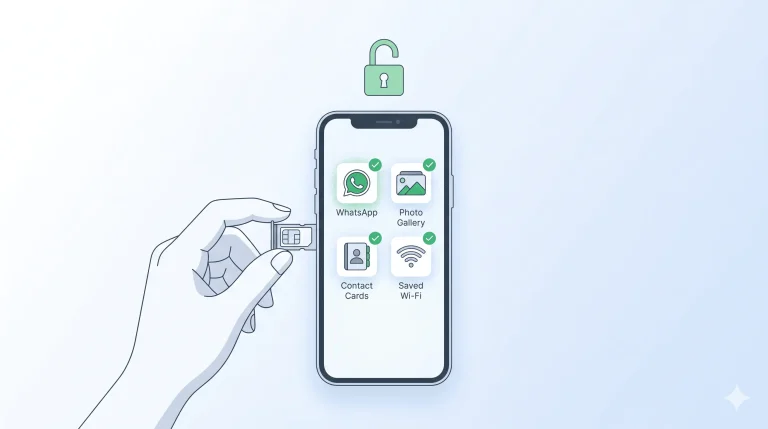
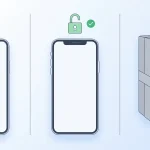
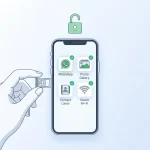
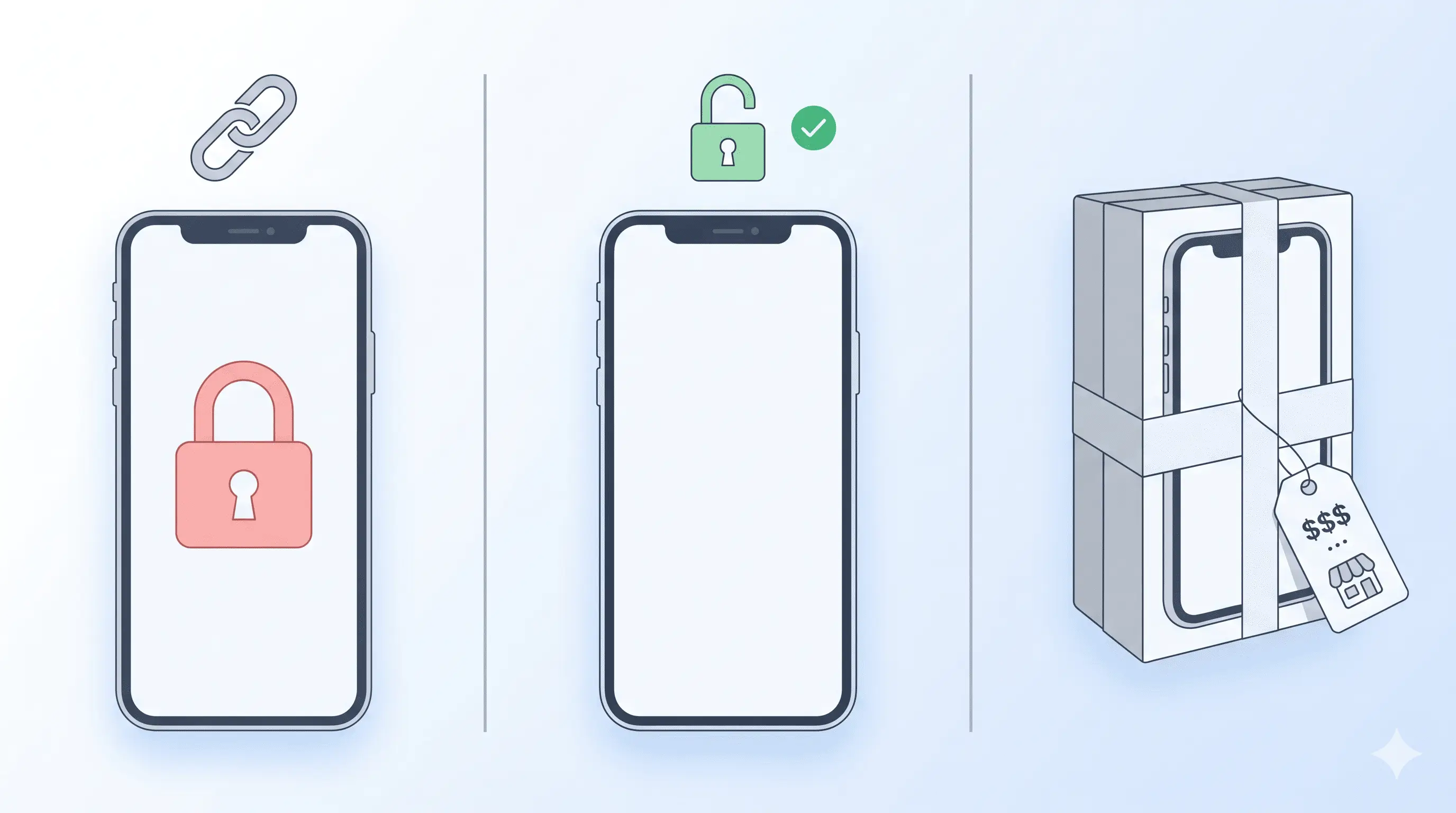
A carrier-locked device only works on the SIM card of the carrier that originally sold it. Drop in a SIM from a different carrier and the device refuses to connect, usually with a SIM not allowed or Wrong SIM message. A carrier-unlocked device accepts any compatible SIM from any operator worldwide.
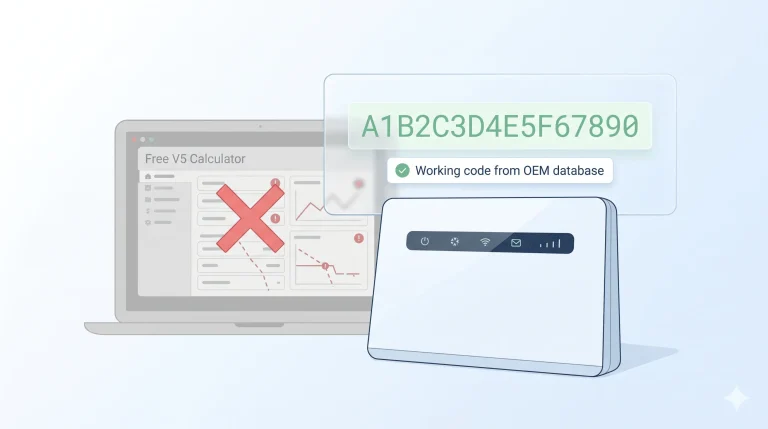
The lock lives in the modem’s baseband, set by the carrier as a software flag. It can be removed by entering the correct NCK unlock code generated from the device’s IMEI — this is what we do at Tech Unlock Hub. The hardware doesn’t change. The software doesn’t get rewritten. One flag flips and the device works on EE, BT, Vodafone, MTN, Zain, STC, T-Mobile, Verizon, Telstra, or anywhere else.
Factory-unlocked
A factory-unlocked device was never carrier-locked to begin with. It rolled off the manufacturer’s production line without a carrier-lock flag, usually because the OEM sold it directly through their own retail channel (the Apple Store online, Samsung.com, Huawei.com, the Xiaomi Store) instead of through a carrier subsidy.
Factory-unlocked devices cost more upfront — typically the full MSRP rather than the subsidized contract price — but they accept any SIM out of the box, don’t need any unlock code, and don’t have carrier bloatware. On a used-device listing, factory-unlocked is the strongest signal the device is genuinely free.
Watch out for sellers using the term loosely. Some list carrier-unlocked devices as factory-unlocked on the marketplace because the latter sells faster. They’re technically lying, but the end result for you is the same: the device works on any carrier. The only material difference is resale value down the line.
SIM-free
SIM-free is mostly a UK and European retail term. It describes a device sold without a SIM card and without a carrier contract — typically by retailers like Carphone Warehouse, Currys, Argos, or the manufacturer’s online store. A SIM-free device is almost always factory-unlocked too, but the term emphasizes the retail context (no contract, no subsidy) more than the lock state.
In US listings, SIM-free usually means factory-unlocked and the seller chose the international term. In Asian or African listings, the term is rarer and usually borrowed from the original UK or EU import packaging.
Network-unlocked
Network-unlocked means the same thing as carrier-unlocked — the carrier-lock flag is removed. The two terms are interchangeable. Network emphasizes which network the device can connect to; carrier emphasizes which company owned the lock. Same outcome either way.
This is the term most unlock-service providers (including us) use, because network is what the customer actually cares about: can I put my new MTN SIM in this Vodafone-locked phone?
Bootloader-unlocked
Bootloader-unlocked is unrelated to carrier locks. It describes a device whose bootloader — the software that loads the operating system at startup — has been unlocked to allow custom firmware (custom Android ROMs, recovery images, modified system partitions). On Samsung devices, bootloader unlock also triggers Knox revocation, which is permanent.
Bootloader-unlocking is what you do if you want to flash LineageOS, GrapheneOS, or another custom Android variant. It’s an entirely separate operation from network unlocking. We don’t do bootloader unlocks because the use case is different and the risks (bricked device, voided warranty, Knox revocation) are much higher.
Quick reference table
| Term | What’s removed or changed | Who issues it | Practical answer |
|---|---|---|---|
| Carrier-locked | Locked to one carrier’s SIM | The selling carrier | Works only on that carrier until unlocked |
| Carrier-unlocked | Lock flag removed via NCK code | Unlock service like ours | Works on any compatible carrier worldwide |
| Factory-unlocked | Never carrier-locked from the OEM | The device manufacturer | Works on any carrier out of the box; usually costs more upfront |
| SIM-free | Sold without SIM or contract | UK/EU retailers, OEM stores | Almost always factory-unlocked; emphasizes retail context |
| Network-unlocked | Same as carrier-unlocked | Same as carrier-unlocked | Synonymous; emphasizes the network angle |
| Bootloader-unlocked | Bootloader software flag | End user (advanced) | Unrelated to carrier locks; enables custom firmware |
Which one do I actually need?
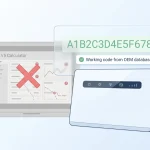
If you bought a device from a carrier (Vodafone, EE, MTN, Zain, T-Mobile, Verizon) and want to use a different SIM, you need a carrier-unlock or network-unlock — same thing. Submit your IMEI on our free IMEI check page and we’ll source the NCK code from the official OEM database within 24 to 72 hours. The device stays warrantied, the user data stays intact (see our data-safety guide), and the unlock is permanent.
If you’re shopping for a used device and want maximum flexibility, prioritize listings marked factory-unlocked or SIM-free. Both mean the device works on any carrier out of the box without paying for an unlock service later.
Not sure if your specific device is even locked? See our step-by-step check guide for the three reliable methods (SIM swap, web admin, IMEI lookup). For single-term definitions in dictionary format, our tech glossary covers every unlock and modem-related abbreviation in one A-Z page.
FAQ
Is a SIM-free phone the same as a factory-unlocked phone?
Almost always, yes. SIM-free emphasizes the retail context (sold without a SIM card and without a carrier contract), while factory-unlocked emphasizes the lock state (never carrier-locked at the OEM). In practice the device is the same — works on any compatible carrier out of the box, no unlock code needed.
Does unlocking a carrier-locked phone make it factory-unlocked?
No. The two states feel similar from the user’s perspective (both accept any SIM) but they’re recorded differently. Apple’s GSX database, Samsung’s IMEI lookup, and Huawei’s OEM dashboard all distinguish between never locked (factory-unlocked) and previously locked, now unlocked (network-unlocked). On resale, factory-unlocked still sells for slightly more, but the day-to-day experience is identical.
Why do unlock services say “network-unlock” instead of “carrier-unlock”?
Both terms describe the same operation — removing the baseband carrier-lock flag with an NCK code. Network-unlock is more common in unlock services because it focuses on what the customer cares about (which network the device can join) rather than which carrier originally owned the lock. The terms are fully interchangeable.
Get your device unlocked today
Contact us — we are available 24/7. We pull the NCK unlock code directly from the official OEM database for your specific IMEI, within 24 to 72 hours. Refunds are automatic if no code can be sourced.